
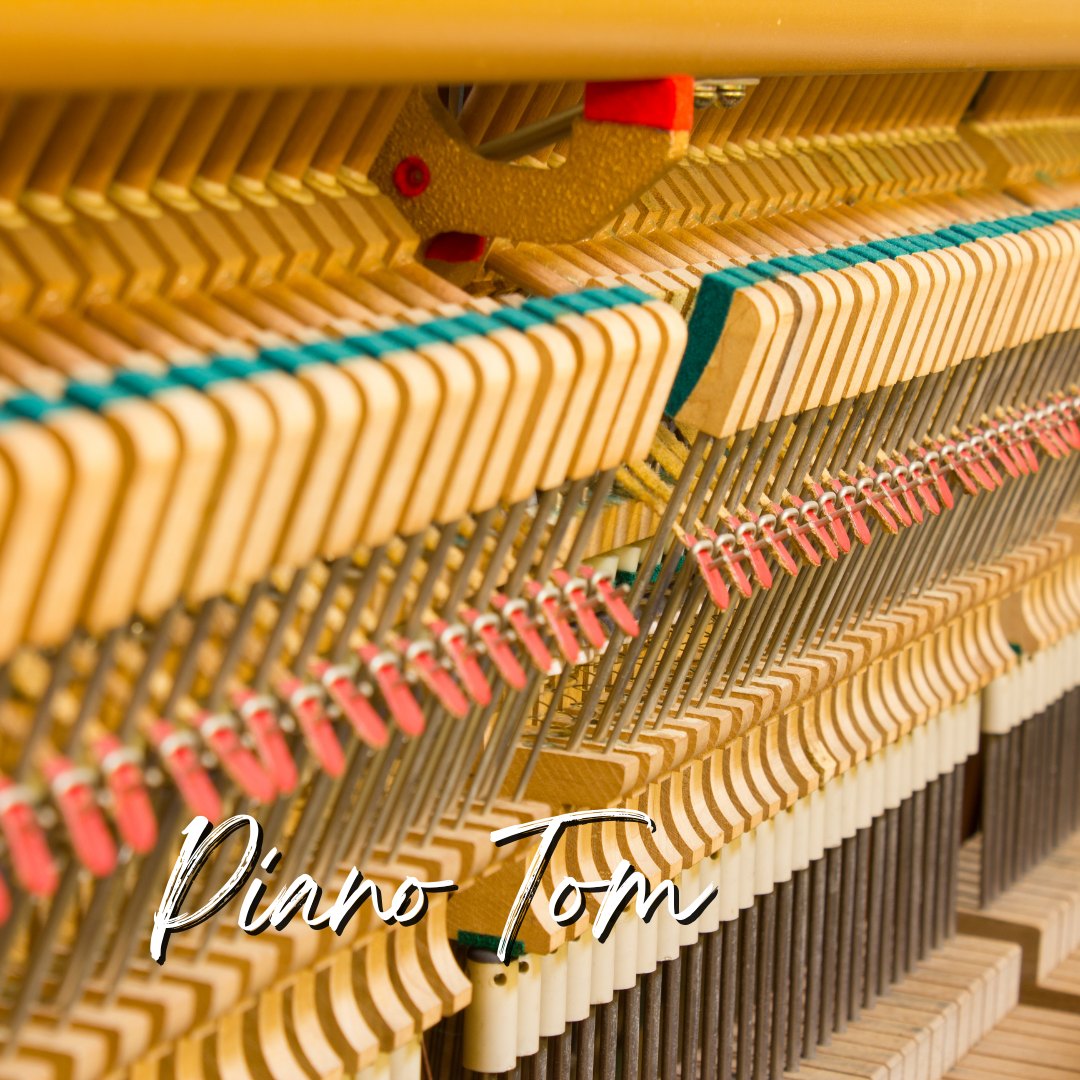



A vintage piano has a character that develops over decades of use, craftsmanship, and changing environments, but even a well-loved piano isn’t immune to aging. Over time, its internal components, materials, and overall performance can begin to change. Understanding these changes can help you recognize when your piano needs attention and what you can do to preserve its sound and condition.
Common Signs of Aging in Vintage Pianos
A vintage piano doesn’t necessarily show its age all at once. Instead, small changes often develop gradually, eventually affecting how the instrument looks, feels, and sounds.
Some of the most common signs of aging include:
- Sticky or uneven keys: Years of use, accumulated dust, and changes in humidity can affect the movement of the keys, making them sluggish or inconsistent.
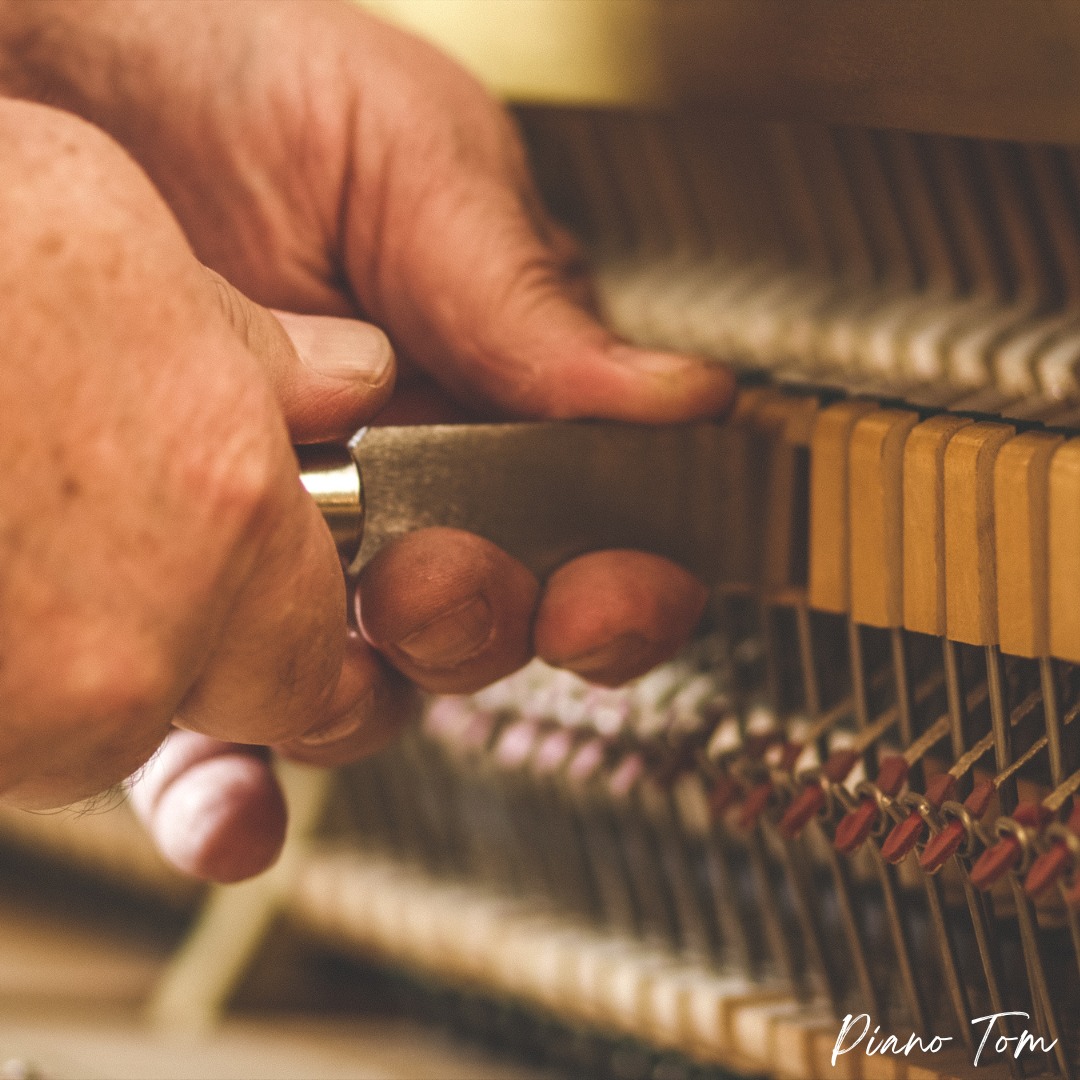
- Worn hammers and action components: The felt covering on piano hammers compresses with repeated use. This can affect how the strings are struck and influence the instrument’s tone.
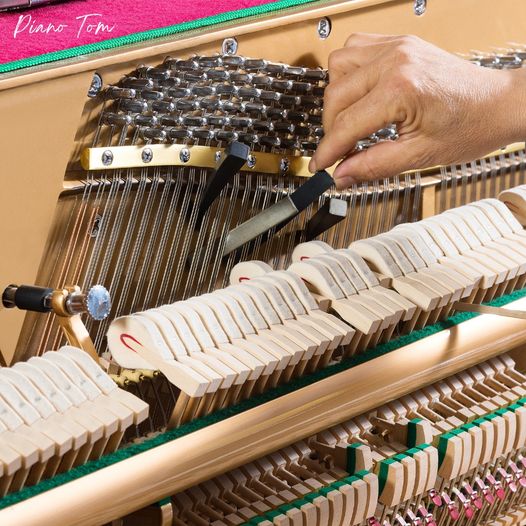
- Loose or worn internal parts: The piano contains numerous moving components that can wear down, loosen, or become misaligned over time.
- Damaged or deteriorating strings: Piano strings can corrode, lose their structural integrity, or eventually break, affecting both sound and playability.
- Wood damage: Temperature fluctuations and humidity changes can cause wooden components to swell, shrink, crack, or warp.
Even if your piano looks beautiful on the outside, some of its most significant signs of aging may be happening internally. That’s why periodic inspections and professional piano repair can be so important. Addressing smaller problems early may help prevent additional wear and more extensive repairs later.
How Age Changes a Vintage Piano’s Sound
One of the most noticeable signs of aging in a vintage piano is its sound. You might notice that your instrument no longer produces the same tone it once did, or that certain notes sound dull, harsh, uneven, or out of tune.
Several factors contribute to these changes. As piano hammers age, their felt becomes compressed and hardened, potentially creating a brighter or harsher tone. Worn strings can also affect tonal consistency, while changes in the piano’s wooden structure and internal components can influence its overall performance.
Tuning stability is another common concern. A piano’s strings are held under substantial tension, and the wooden pinblock that supports the tuning pins can change over time. If the pins no longer hold the strings securely, the instrument may struggle to maintain its tuning.
Regular piano tuning helps keep your instrument sounding its best, but tuning alone may not resolve every issue. If your piano repeatedly falls out of tune, produces uneven notes, or has lost much of its original character, it may need a closer evaluation to determine whether mechanical repairs or more extensive restoration are appropriate.
What Happens to the Materials Over Time
Vintage pianos are made from a combination of materials, each of which ages differently. Wood, felt, metal, leather, and other components all play important roles in the instrument’s construction and performance.
Wood is particularly sensitive to its environment. Changes in humidity can cause wooden parts to expand and contract, potentially affecting the soundboard, bridges, pinblock, and action. Over many years, these changes may contribute to cracks, warping, loosened joints, or other structural concerns. Metal components aren’t exempt, either. Strings may corrode, while tuning pins and other hardware can experience wear.
When Does a Piano Need Restoration or Rebuilding
Not every aging piano needs a complete overhaul. Sometimes, a professional tuning or a few targeted repairs are enough to address the issues you’re experiencing. In other cases, years of wear and deterioration may call for more comprehensive attention.
Piano rebuilding is generally more extensive than routine repairs or restoration. It can involve addressing major internal components and structural elements that have deteriorated over time. Whether rebuilding is appropriate depends on factors such as the piano’s overall condition, the extent of its wear, and the condition of its essential components.
At Piano Tom, we provide vintage piano tuning, repair, rebuilding, and restoration services in the Seattle, WA area. Get in touch with us at (425) 462-1101 to learn more.
Leave a Reply